 Save
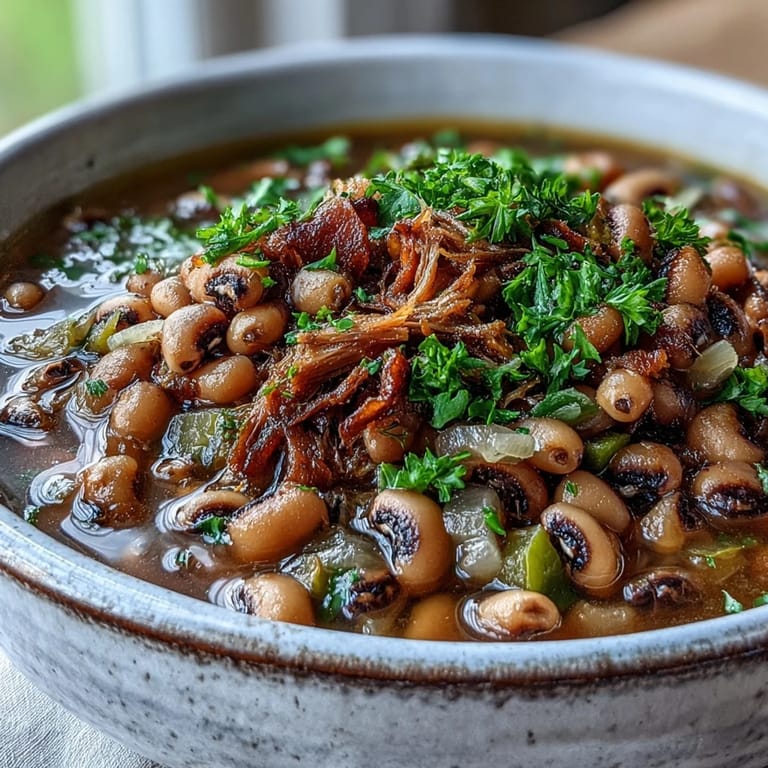
Save My grandmother used to say that black-eyed peas on New Year's Day weren't just tradition, they were insurance, and I spent years rolling my eyes at the superstition until I realized the real magic was watching her stir that pot with such certainty that prosperity would follow. The first time I made this myself, I was skeptical and impatient, but somewhere between the smell of smoked pork meeting garlic and the peas softening into creamy submission, something shifted. Now I understand it's less about luck and more about building something warm and nourishing with your own hands as the year unfolds.
I made this for friends on New Year's Eve once, thinking I'd have plenty left over, and watched in disbelief as they passed their bowls back for thirds while cornbread crumbs scattered across my kitchen table. Someone asked for the recipe before dessert even came out, which has never happened to me before or since, and I realized that food becomes memorable not because it's complicated but because it tastes like it comes from somewhere real.
Ingredients
- Dried black-eyed peas (1 pound): These humble legumes are the foundation of the dish, and rinsing them thoroughly removes dust and debris that can muddy the broth, so don't skip this step even though it feels unnecessary.
- Smoked pork neck bones or ham hocks (1½ pounds): This is where all the soul of the dish comes from, infusing the liquid with a depth that no vegetable or spice can replicate, so choose quality smoked meat if you can.
- Onion, celery, and green bell pepper (one of each): This aromatic trio is called the holy trinity in Creole cooking, and dicing them finely ensures they'll soften into the background while their flavors bloom throughout the pot.
- Garlic (4 cloves): Mincing it fine and adding it after the softer vegetables prevents it from burning and turning bitter, which changes the entire character of the dish.
- Water or low-sodium chicken broth (7 cups): Broth adds dimension, but water lets the pork and spices speak more clearly, so choose based on what you're craving.
- Creole seasoning (1½ teaspoons): This blend carries the heat and complexity of the dish, so taste as you go since some brands run spicier than others.
- Bay leaf, thyme, smoked paprika, and black pepper: These seasonings build layers of flavor that develop as the peas simmer, turning from separate tastes into one harmonious whole.
- Salt (1 teaspoon): Add this at the end so you can taste and adjust, because the pork and broth already carry their own saltiness.
- Fresh parsley and hot sauce (optional): Parsley brings brightness while hot sauce lets each person control the final heat level, honoring the tradition of customizing your bowl.
Tired of Takeout? 🥡
Get 10 meals you can make faster than delivery arrives. Seriously.
One email. No spam. Unsubscribe anytime.
Instructions
- Soak your peas overnight (or use the quick method):
- Covering dried peas with cold water and letting them sit overnight plumps them up so they cook evenly and don't split open. If you're short on time, boiling water followed by an hour of rest does the same job in a fraction of the time, though overnight soaking feels more intentional if you're making this on New Year's Eve.
- Build your aromatic base:
- Heat a splash of oil in your Dutch oven and sauté the onion, celery, and bell pepper for five minutes until they soften and turn translucent around the edges. This isn't about browning them deeply, just coaxing out their sweetness and creating a foundation for everything that follows.
- Bloom your garlic:
- Add the minced garlic and stir constantly for just one minute, letting it release its fragrance without browning. You'll know it's ready when the kitchen smells alive and sharp.
- Combine everything and bring to a boil:
- Add the drained peas, smoked pork, broth, and all your seasonings to the pot, then crank the heat up until you see the first rolling boil. This moment feels significant, like you're really committing to the dish.
- Simmer low and slow for an hour and a half:
- Once it boils, drop the heat to low, cover the pot, and let it bubble gently and peacefully while you stir occasionally to prevent sticking and check that everything's cooking evenly. The longer it sits, the more the peas break down slightly, thickening the broth naturally.
- Remove the pork and shred any meat:
- When the peas are tender and creamy, fish out the pork bones, let them cool slightly, then pick off any meat that's clinging to the bone and return it to the pot. This step always feels rewarding, like treasure hunting in your own dinner.
- Taste and season with salt:
- Remove the bay leaf, taste, and add salt gradually until the flavors feel right and balanced. This is your moment to adjust the seasoning to your preference, layer by layer.
 Save
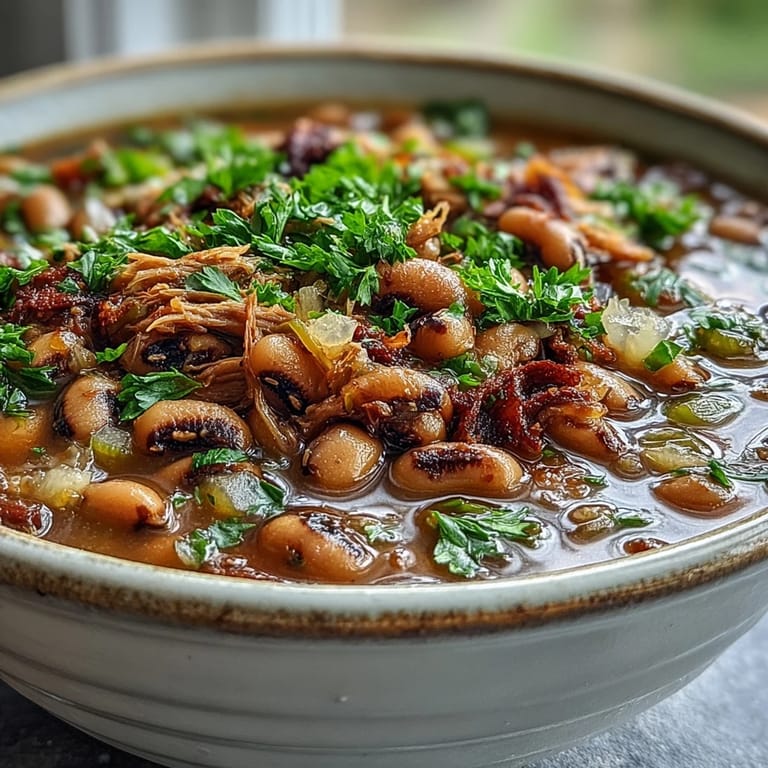
Save There's a moment near the end of cooking when you lift the lid and the steam rises up carrying this unmistakable smell of pork and spice and slow-cooked tradition, and you realize why people have been making this same dish for generations. It stops being just a recipe at that point and becomes something you're part of, a continuous thread of people nourishing themselves and each other as another year begins.
The Soul of Soaking
Soaking black-eyed peas overnight seems like it might be a southern affectation, but it's actually practical wisdom disguised as ritual. The peas absorb water gradually, cook more evenly, and lose some of their gas-producing compounds, which means you get better texture and better digestion. I once skipped this step thinking I was being efficient and ended up with peas that were mushy on the outside and hard in the center, which taught me that shortcuts with legumes are rarely worth taking.
Choosing Your Smoked Meat
The type of smoked pork you choose will shift the personality of the entire dish, so this choice matters more than it might seem at first glance. Neck bones contribute marrow and depth, while ham hocks add a different kind of smokiness that's more pronounced and salty, so know which direction you want to lean before you shop. I've found that asking the butcher what they recommend often leads to a conversation about their own family recipes and what they use, which is always worth the few extra minutes.
Serving and Customizing Your Bowl
Black-eyed peas sing when served over rice or alongside cornbread, but they're flexible enough to work with whatever you have on your table and in your mood. Some people add collard greens for a full traditional plate, while others drizzle hot sauce directly over their bowl and let each spoonful build its own level of heat. A garnish of fresh parsley isn't just pretty, it cuts through the richness with brightness and gives you something to look forward to on each bite.
- Serve this over rice to soak up the creamy broth and create a complete meal that feels both light and deeply satisfying.
- Leftovers freeze beautifully for three months, so doubling the recipe means you've built yourself a shortcut for busy nights months down the line.
- If you want a vegetarian version, substitute the pork with smoked paprika and liquid smoke, which won't give you the same savory depth but will give you something warming and honest.
 Save
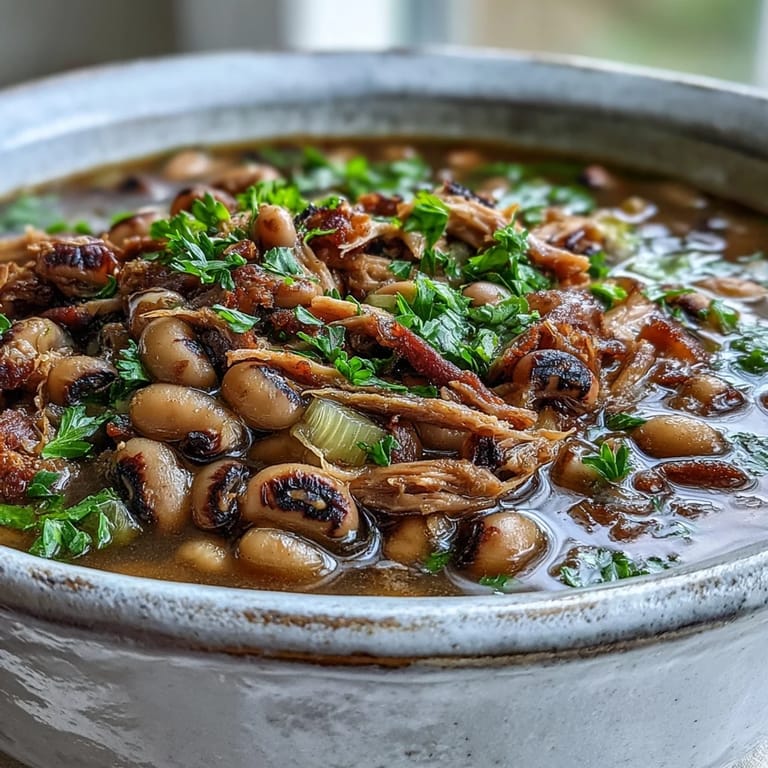
Save This dish reminds me that some of the best things we make don't require obscure ingredients or advanced technique, just patience and the willingness to let good things happen slowly. Each bowl tastes like someone cared enough to spend time on it, which might be the real luck that comes from tradition.
Recipe Guide
- → Why do people eat black-eyed peas on New Year's Day?
Southern tradition holds that black-eyed peas bring good luck and prosperity when eaten on New Year's Day. The peas represent coins, and when served with collard greens (representing paper money) and cornbread (representing gold), they symbolize financial abundance for the coming year.
- → Do I need to soak dried black-eyed peas before cooking?
Yes, soaking dried black-eyed peas overnight helps them cook evenly and become tender. You can also use the quick soak method by covering them with boiling water for one hour. Proper soaking reduces cooking time and improves texture.
- → What can I substitute for smoked pork neck bones?
Smoked ham hocks, smoked turkey wings, or a smoked ham shank work beautifully as substitutes. For a vegetarian option, use extra smoked paprika and add liquid smoke to achieve that traditional smoky depth.
- → How long do cooked black-eyed peas last in the refrigerator?
Cooked black-eyed peas will keep in an airtight container in the refrigerator for 4-5 days. The flavors actually develop and improve after a day or two. They also freeze exceptionally well for up to 3 months.
- → What's traditionally served with black-eyed peas?
Black-eyed peas are traditionally served over fluffy white rice and accompanied by collard greens and cornbread. Hot sauce, chopped raw onions, or chow-chow relish make excellent toppings for those who enjoy extra flavor and heat.