 Save
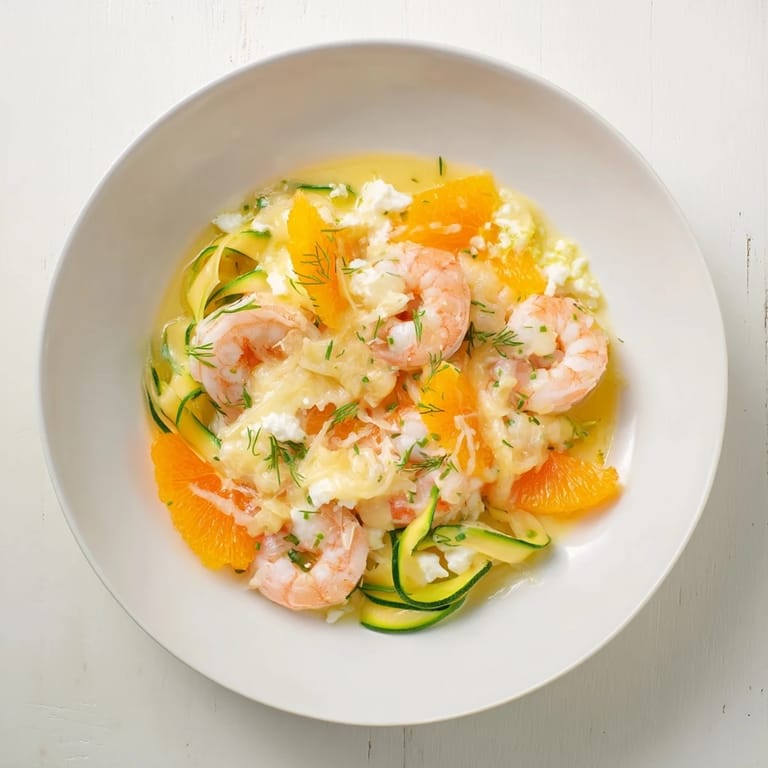
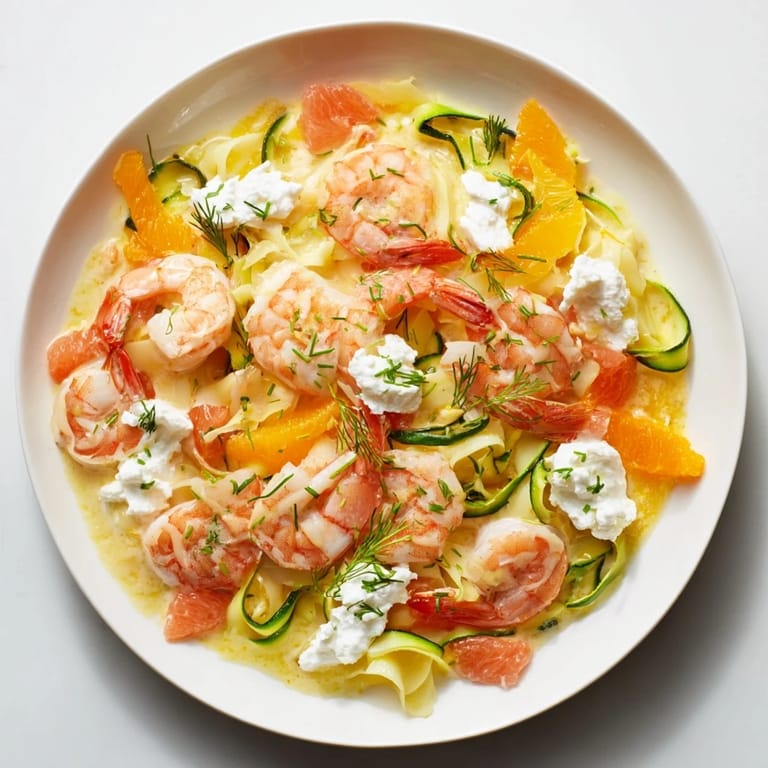
Save The first time I plated The Coral Reef, I was testing a dish for a dinner party where half the guests were pescatarian and the other half obsessed with anything colorful enough to photograph. I wanted something that felt special without pretension—something where the shrimp stayed tender, the cheese got gloriously bubbly, and the whole thing looked like an edible ocean. That night, watching people lean over their plates before even tasting it, I realized I'd stumbled onto something that worked.
I made this for my sister's birthday dinner last spring, and what started as plating practice became this moment where she sat down, looked at her plate, and just started laughing—the kind of laugh that means the food landed exactly right. The combination of those bright citrus colors reflecting off the melted cheese made the whole table feel like we were somewhere warm and coastal, even though we were in my small kitchen with the window cracked open to let out the heat from the broiler.
Ingredients
- Large pink shrimp, peeled and deveined (500 g): Look for shrimp that still have a slight curve and smell like the ocean, not fishy—that's how you know they're fresh. I learned the hard way that frozen shrimp work, but you'll get better texture if you thaw them slowly in the fridge overnight.
- Oranges and pink grapefruit: The citrus is doing the heavy lifting here, so pick ones that feel heavy for their size. The segments stay juicy against the warm cheese, and that contrast is essential.
- Lemon juice: This brightens the shrimp without overpowering it—just one lemon's worth is enough.
- Gruyère cheese, grated (120 g): Gruyère gets this nutty, almost caramelized edge when it bubbles under the broiler. It's the star of the show, so don't skip it.
- Ricotta cheese (50 g): These little dollops melt slightly and add a creamy texture against the crispy cheese. It's a secret weapon.
- Zucchini and carrot, thinly sliced: These are your coral base—keep them thin so they steam through in just a minute or two. They should still have a little snap to them.
- Fresh chives and dill: Torn or chopped right before serving so the flavor stays bright and herbaceous.
- Olive oil and salt: Good olive oil makes a difference here since you're drizzling it at the end.
Tired of Takeout? 🥡
Get 10 meals you can make faster than delivery arrives. Seriously.
One email. No spam. Unsubscribe anytime.
Instructions
- Get your broiler ready and prep your shrimp:
- Turn your broiler to high—you want it hot so the cheese bubbles quickly without drying out the shrimp underneath. While that heats, toss your shrimp with olive oil, lemon juice, salt, and pepper in a bowl, making sure every piece gets coated.
- Sear the shrimp until just cooked:
- Heat a skillet over medium-high heat until it's almost smoking, then add your shrimp. They'll cook fast—about 2 minutes per side—and you're looking for that moment when they turn from translucent to opaque pink. Don't overcook or they'll be rubbery.
- Dress your citrus segments:
- In a separate bowl, gently toss your orange and grapefruit segments with a pinch of zest and salt. This draws out the juices slightly so they stay bright and flavorful.
- Steam your vegetable ribbons:
- Steam the zucchini and carrot for just 1–2 minutes—they should still have a subtle crunch. Arrange them on your oven-safe platter to form the foundation of your coral reef.
- Build your coral reef:
- Nestle the warm shrimp and citrus segments among the vegetables, layering them for that colorful, natural look. This is where you get to be creative with the arrangement—the more you mix the colors, the better it looks.
- Add the cheese and broil:
- Sprinkle your grated Gruyère evenly over everything, then dot small spoonfuls of ricotta around the platter. Place it under the broiler for 2–3 minutes, watching closely so the cheese bubbles and browns without burning.
- Finish and serve:
- Pull the platter out, garnish with fresh chives and dill, drizzle with remaining olive oil, and get it to the table immediately while everything's still warm and the cheese is at its best.
 Save
Save There's this moment when you pull the platter out from under the broiler and the smell hits you—warm, melted cheese mixing with citrus and fresh herbs. That's when this dish stops being just food and becomes something you actually want to share with the people sitting around your table.
Building Your Coral Reef Platter
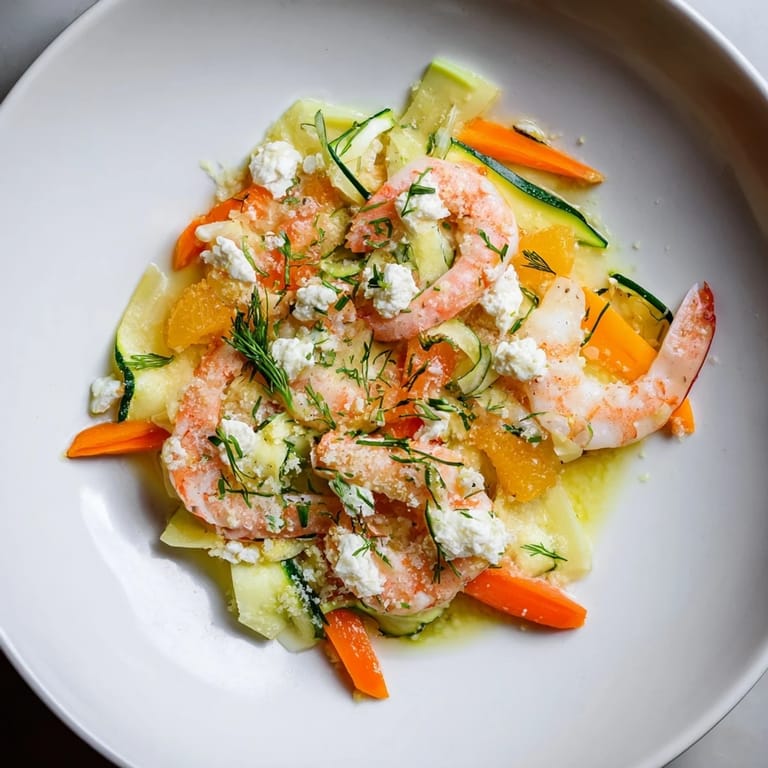
The visual arrangement is half the appeal of this dish, and it's more forgiving than you'd think. The zucchini and carrot ribbons create natural lines and texture that look intentional, and then you're just layering shrimp and citrus into those spaces. Some colors will naturally cluster together, and that's fine—it looks more organic that way. I've found that arranging vegetables first gives you a roadmap so you're not second-guessing the shrimp placement.
Timing and Temperature
This dish lives in a narrow window of doneness where everything hits the table at exactly the right moment. The shrimp needs to be warm but not overcooked, the vegetables need just enough steam to soften, and the cheese needs to be bubbling but not brown. If you're cooking for guests, prep everything up to the broiler step, then broil right before they sit down. I learned this by serving one platter ten minutes after another and watching the second one lose its magic.
Variations and Substitutions
While the core flavors of this dish are pretty locked in, there's room to play. Emmental or fresh mozzarella work if Gruyère isn't available, and I've added pomegranate seeds or watermelon radish slices for extra color and a subtle sweetness. Some nights I skip the ricotta entirely and use more Gruyère. The citrus is flexible too—blood orange works beautifully, and limes change the whole flavor profile if you want something more tropical. Think of the recipe as a framework and your own preferences as the finishing touches.
- Try adding a thin shaving of Parmigiano-Reggiano over the ricotta for extra depth.
- A drizzle of aged balsamic right before serving adds sophistication without overpowering the citrus.
- If you want to make it heartier, toss some warm cooked grains (farro or quinoa) into the vegetable layer.
 Save
Save This is the kind of dish that feels fancy enough for a dinner party but easy enough that you'll want to make it on a regular weeknight. Once you've done it once, you'll find yourself coming back to it.
Recipe Guide
- → What is the best way to cook the shrimp?
Sauté the shrimp in olive oil with lemon juice, salt, and pepper over medium-high heat for about 2 minutes per side until just cooked through to maintain tenderness.
- → How do the citrus segments enhance the dish?
The orange and pink grapefruit segments add bright, zesty notes that complement the shrimp's sweetness and balance the richness of the cheeses.
- → Can I substitute Gruyère cheese with another type?
Yes, Emmental or bubbly mozzarella work well as alternatives, providing a similar melt and mild nutty flavor.
- → How are the vegetables prepared in this dish?
Zucchini ribbons and julienned carrots are lightly steamed until just tender, forming a colorful and fresh base that mimics coral textures.
- → What is a good wine pairing for this dish?
A crisp Sauvignon Blanc or a dry rosé complements the citrus brightness and the seafood's delicate flavors beautifully.